• Home
  • Suggest A DIY
  • DIY Newsletter

Lesson Plans

Ideas and resources

  • About CraftGossip
  • Our Network
    • Bath & Body Crafts
    • Candle Making Ideas
    • Crochet Ideas
    • Cross Stitch
    • Edible Crafts
    • Felting Patterns
    • Glass Art
    • Home & Garden Ideas
    • Indie Crafts
    • Jewelry Making
    • Kids Crafts
    • Knitting Patterns
    • Lesson Plans
    • Needlework
    • Party Ideas
    • Polymer Clay
    • Quilting Ideas
    • Recycled Crafts
    • Scrapbooking
    • Sewing Patterns
    • Card Making
    • DIY Weddings
    • Not Craft Ideas
  • Giveaways
  • Roundups
  • Store
  • Search

Paper Plate Peppermint Candy Tutorial

December 14, 2014 by Sherri Osborn Leave a Comment

Paper Plate Peppermint Candy Tutorial

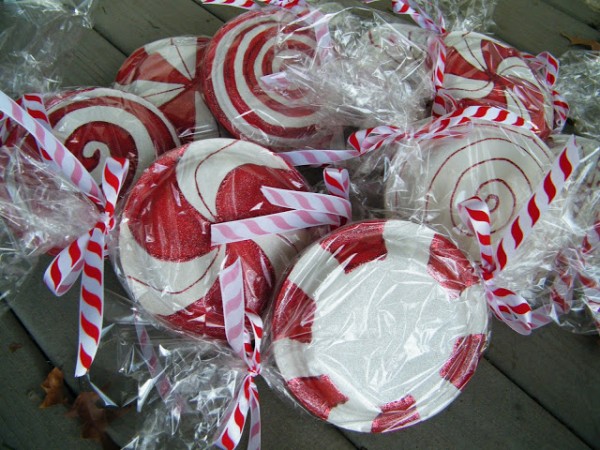
Amy, from Amy D…Randomly Me, originally just posted a picture of this fun holiday decoration. She got so many emails from people asking how she made it, she decided to write up this tutorial — lucky for us because they are wonderful decorations and are great for kids of all ages to make.

All you need is two heavy-duty paper plates, red paint or markers, glitter glue and spray glitter, some cellophane, fun holiday ribbon, and the directions shared in this tutorial.
«
»

Have you read?

Learning about The Gambia for Kids

The Gambia, officially the Republic of the Gambia, is a west African that is geographically the smallest country in continental Africa, with an area of 4,400 square miles, or 11,300 square kilometers. Let’s learn more about The Gambia!

The Gambia Basics

The Gambia is surrounded by Senegal on all sides except the western part, which is on the Atlantic Ocean. The nation is long and narrow and follows the shape of the Gambia River, which is basically in the center of the country. At its widest point it is 31 miles/50 km wide, and about 11.5 percent of the country is covered by water. 

The capital is an island, Banjul, and the largest metropolitan area is Serekunda. The population of the Gamiba is about 2.4 million people, but has been rapidly growing in recent history. 

Arab Muslim merchants traded with the people of west Africa beginning in the 9th century, but the Portuguese were the first Europeans to arrive there, in 1455. The British established a colony in 1765, and the Gambia gained independence in 1965. In the 1980s, Senegal and the Gambia were part of a loose confederation that meant to promote cooperation between the two countries but was dissolved because of disagreements in how to connect the two countries. 

As of this writing the Gambia has only had three presidents. The second took over in a bloodless coup and the third had to be removed after disputing election results. The country also has a national assembly.

The name Gambia comes from the name the Mandinka people gave to the Gambia River, and may also come from the name of a sacred drum played with a Serer elder dies. 

Many ethnic groups live in the country, with the highest populations being Mandinka and Fula. The Gambia is more than 95 percent Islamic. The official language is English but many other languages are recognized and used by people throughout the country. 

The Gambia is one of only two countries in which the article the is an official part of its short form name in English. (The other is the Bahamas.) 

The Gambia National Symbols

The Gambia’s flag has red, blue and green horizontal stripes, with the green band being narrower than the other two, and thinner white stripes between them. The flag was adopted in 1965. 

The national anthem “For the Gambia Our Homeland” was also adopted in 1965. The song was originally written in Mandinka and translated into English.


The Gambia’s motto is “Progress, Peace and Prosperity,” which is featured on the coat of arms. The coat of arms also includes two lions holding an axe and a hoe, next to a shield showing an axe and a hoe crossed. Above the shield is a helmet and an oil palm. The oil palm is used to make commercial palm oil. 

The spotted hyena is the national animal. 

The Gambia Learning Activities

Learn more about the spotted hyena, which is the second largest carnivore after lions. Though they look like dogs, they’re actually closer to cats biologically. Grab some hyena coloring pages from ReallyColor. 

Learn about the Gambia River, and check out a tour of the river from Gano Did It. 

Explore Kunta Kinteh Island and related sites, an island in the Gambia River that has numerous sites that speak to the history of European-African relations from the 15th to the 20th centuries. 

Take a look at the stone circles of Senegambia, a collection of more than 1,000 stone monuments spread across 12,000 square miles (or 30,000 km) across the Gambia and Senegal. 

Read about Gambian batik at My Gambia, and give it a try yourself with this glue-based batik activity from Artsy Karma. You can also learn more about traditional Gambian baskets. 

Grab Gambia fact sheets and worksheets from KidsKonnect, and get more ideas for a unit study from Adventures in a Messy Life. Check out study slides, word searches, puzzles and more activities at Teachers Pay Teachers. 

Domada, or peanut stew, is a common food that’s considered by some to be the national dish of the Gambia. Learn how to make it with this recipe from Honest Cooking & Travel.

Leave a Reply

Your email address will not be published. Required fields are marked *

Categories

Art Christmas Classroom Craft by Holiday Craft Inspirations DIY Tutorials and Patterns Elementary Games General Homeschool Kids Crafts Lesson Plan Activities & Ideas Math Nature PreSchool Printables Science Craft STEM & STEAM Toddler Tween

RSS More Articles

  • Designer Spotlight: TeaJeigh Designs
  • Free Fall Leaves Embroidery Pattern for Sweaters – DMC Buds Pattern Review
  • Statement Patchwork Garments Are Taking Over in 2026
  • Free Felting Tutorial Friday: The Basics of Nuno Felting
  • Knit a Hammock for Your Fruit
  • Travel Tag Mini Scrapbook Album
  • Free Crochet Pattern – Winterberry Mug Cozy
  • 12 Trapunto Quilting Tutorials and Dimensional Quilt Projects to Try
  • Strawberry Cheesecake Dip – The Unofficial Dip of Summer
  • 12 T-Shirt Yarn Crochet Baskets Made From Old Clothes

Pick Your Blog

  • Sewing
  • Knitting
  • Quilting
  • Crochet
  • Home & Garden
  • Recycled Crafts
  • Scrapbooking
  • Card Making
  • Polymer Clay
  • Cross-Stitch
  • Edible Crafts
  • Felting
  • Glass Art
  • Indie Crafts
  • Kids Crafts
  • Jewelry Making
  • Lesson Plans
  • Needlework
  • Bath & Body
  • Party Ideas
  • Candle Making
  • DIY Weddings
  • Not Craft
  • Free Craft Projects

Copyright © 2026 · CraftGossip | Start Here | Contact Us | Link to Us | Your Editors | Privacy and affiliate policy