Wondering what to do with all those green buttons? Me too.
This craft uses a similar technique that children would use when learning to lace. These are so elegant…yet a child could make them! Yay!
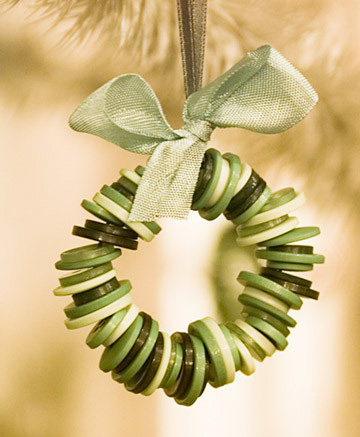 HEad over to the Factory Direct blog for directions.
Ideas and resources
Wondering what to do with all those green buttons? Me too.
This craft uses a similar technique that children would use when learning to lace. These are so elegant…yet a child could make them! Yay!
HEad over to the Factory Direct blog for directions.
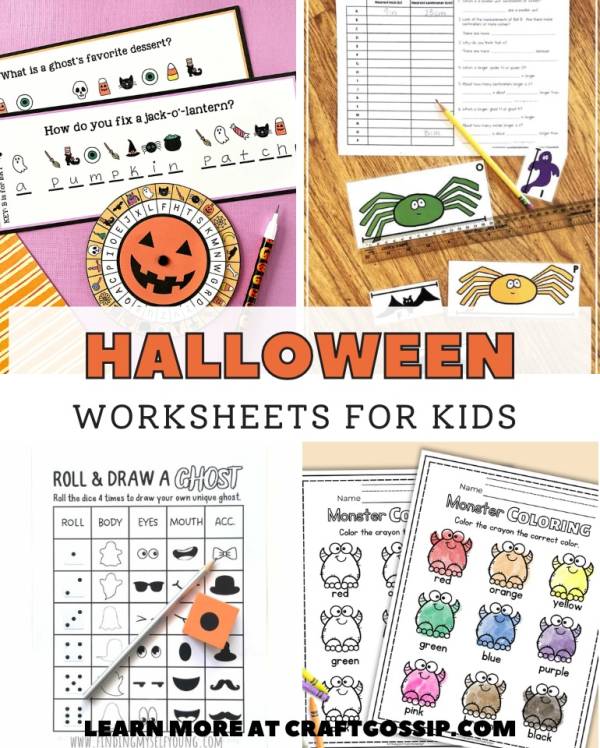 After sharing some witch themed math activities, I found a bunch more fun printable worksheets with a Halloween theme for kids to try, so let’s take a look at some more low-prep Halloween learning fun.
Give kids practice measuring bats, spiders, ghosts and more with these printables from What I Have Learned Teaching. Kids can use a ruler, unit cubes or even little Halloween themed erasers to measure and track the size of the images.
Practice symmetry by drawing half a haunted house, ghost, skull or other simple images with this activity from Printables Hub.
I always love a good roll and draw activity, too, so check out this roll and draw a ghost activity (which has printable instructions) from Finding Myself Young.
Missy Printable Design has a cute set of Halloween worksheets for preschool, including tracing the letter H and a haunted house, spider counting, number tracing, sequencing, coloring pages and more.
The Halloween themed printables from The Artisan Life are meant to be playdough mats, and you can definitely use them for that to make the shape and trace the letters. But you could also use pipe cleaners or Wikki Stix, or line up buttons or anything else on them.
Older kids will enjoy this witch’s brew logic puzzle from Education.com. The witch has made different potions with different colors that do different things, and using the clues you can figure out which one is which. (Don’t worry; there’s an answer key included if you can’t figure it out on your own!)
Another fun puzzle is this decoder activity from Crafting Cheerfully. The holiday icons each represent a letter, and kids can use the decoder to answer the riddle. This isn’t a free resource (and the link in the post is broken but you can find it here) but it includes 20 riddles and an editable file so you can make up your own codes to decipher.
Cute project and nice Factory Direct Craft has a nice web site. Wreath looks pretty easy. I think this will be perfect for my Girl Scout troop ornament project! A tip I have is you can dye buttons any color you want. Sort of messy but I do it with rit dye. Put the buttons and dye in a pan (probably one you don’t care about) then heat up the buttons something about the heat expands the plastic of the buttons and the buttons then soak up the dye. Want darker buttons just heat longer. Just a tip if you don’t have the right color button.
Thank you for posting my blog! Missy what a great idea about how to get the buttons the color you would like. I have never tried this but I may have to now! Although, I think covering myself in plastic wrap may be in order because I KNOW I would have it all over me! =)