• Home
  • Suggest A DIY
  • DIY Newsletter

Lesson Plans

Ideas and resources

  • About CraftGossip
  • Our Network
    • Bath & Body Crafts
    • Candle Making Ideas
    • Crochet Ideas
    • Cross Stitch
    • Edible Crafts
    • Felting Patterns
    • Glass Art
    • Home & Garden Ideas
    • Indie Crafts
    • Jewelry Making
    • Kids Crafts
    • Knitting Patterns
    • Lesson Plans
    • Needlework
    • Party Ideas
    • Polymer Clay
    • Quilting Ideas
    • Recycled Crafts
    • Scrapbooking
    • Sewing Patterns
    • Card Making
    • DIY Weddings
    • Not Craft Ideas
  • Giveaways
  • Roundups
  • Store
  • Search

How to Teach Handwriting to Kids

March 2, 2017 by Sarah White 1 Comment

worksheets to help with letter formation.

A couple of weeks ago I shared a post about teaching writing skills to preschoolers, which was mostly about the fine-motor skills that are needed to learn to write, not so much about the actual mechanics of teaching writing.

This week I saw this post about teaching handwriting from the Measured Mom, which explains how she does it, for example teaching uppercase letters first and starting with those that are easier to form.

The page has links to lots of free worksheets for practicing the different levels of letter formation, but you can also download a full set of more than 330 handwriting worksheets in several different styles for just $5. These are great for practice with little kids or if you have a child who needs practice with forming particular letters later on.

Do you have any tips or resources you love for teaching writing? I’d love to hear about them!

[Photo via the Measured Mom.]

So why is tracing important for my toddler to learn and does it help with handwriting? Yes, it does, Learning to trace teaches your child fine motor skills. Tracing is not only limited to preschoolers, it is suitable for all development ages when learning to write, not matter what the age.

Tracing, when added to your child’s drawing time, helps polish those pre-writing abilities, establishing a solid basis for drawing and emerging writing. Highlights: Tracing helps young children strengthen their pre-writing abilities and lays the groundwork for drawing and writing letters and words.

Looking for more tracing worksheets and activities for your child? Check out these tracing articles.   If you are looking for some great worksheets check out these tracing workbooks on Amazon.

«
»

Comments

  1. Susan Foust says

    March 2, 2017 at 8:12 pm

    many children are taught from a really young age to recognize letters but not necessarily how to write them because, for the most part, they’ll use keyboards. Cursive along with calligraphy will only be art forms. kind of sad…the days of a written letter, or a document as beautiful as The Declaration of Independence…. Will be rare. So sad.

Have you read?

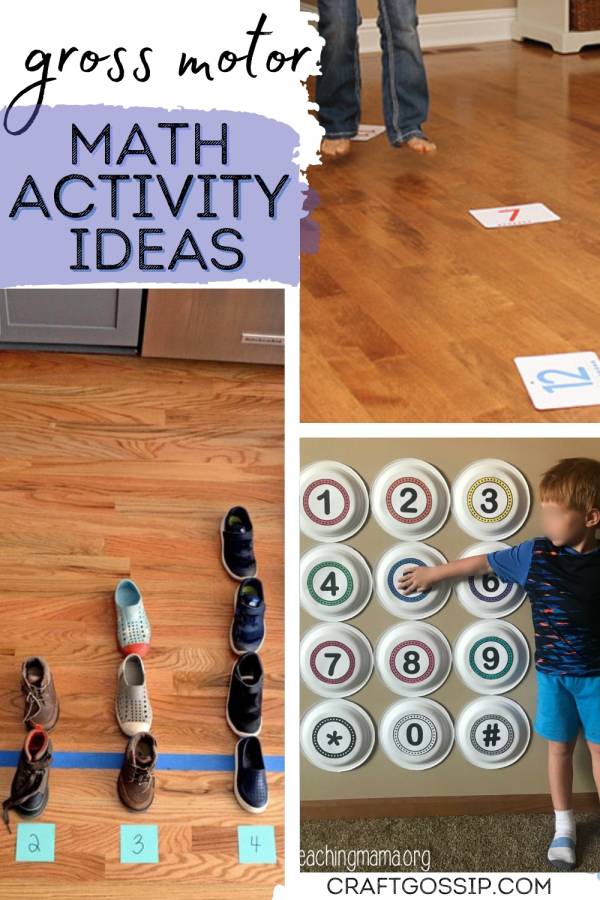
Gross Motor Math Ideas

With little kids especially, linking learning to physical activity really does help them learn. Movement can help kids focus, and it just keeps them from sitting still all day, which isn’t good for anyone. 

The good news is lots of different learning activities can be adopted to get kids moving while they learn, so let’s look at some math and number activities that use gross motor skills. 

Probably the most obvious thing would be hopscotch, which helps kids count while they hop. You can also mix up the numbers, do skip counting with the numbers, give kids a simple math problem and have them hop to the correct answer, and on and on. 

This number hop game from Gift of Curiosity is a more chaotic version, with number flash cards on the floor that kids can hop, skip or jump to as you call them out (this one is more for individual number identification than counting). It’s a great indoor option if it’s too hot, cold or rainy out to do traditional hopscotch, too. 

This painter’s tape number line idea from Days with Grey doesn’t involve quite as much movement, but kids can move around while they place things on the number line and work on learning about one to one correspondence. In the blog post they use shoes, but you can count anything you’ve got handy. (Be warned when I visited this website had an ad that continually took up the whole page, but you can get the idea pretty quickly.)

One of the important tasks of learning numbers is learning a parent’s phone number just in case it’s ever needed, or how to dial 911 in case on an emergency. Teaching Mama has a great way to practice telephone numbers and get some movement in with a giant telephone keypad made out of paper plates. You can also use this for counting practice, but it’s a great idea for learning phone numbers, too. 

Leave a Reply

Your email address will not be published. Required fields are marked *

Categories

Art Activities Christmas Classroom Craft by Holiday Craft Inspirations DIY Tutorials and Patterns Elementary Games Homeschool Kids Crafts Lesson Plan Activities & Ideas Math More Crafts Nature Preschool Printables Science Craft STEM & STEAM Toddler Tween

RSS feed: More Articles More Articles

  • Knitting Machine Scarves with a Fun Twist
  • Gross Motor Math Ideas
  • 12 Free Crochet Vest Patterns for Easy, Wearable Layers
  • 5 Things To Do With That Odd Leftover Jar Of Thumbtacks
  • Crochet Octopus Patterns: Cute Minis, Squishy Plushies and Sea-Life Projects
  • 30 Handmade Christmas Gifts You Can Send in a Card or Envelope
  • Girl in Meadow Hand Embroidery Pattern – Etsy Review
  • Disney Themed Halloween Mini Scrapbook Album
  • Baby Bonnet Crochet Patterns for Sweet Handmade Gifts
  • 8 Knitted Crown Patterns for Children and Adults

Pick Your Blog

  • Sewing
  • Knitting
  • Quilting
  • Crochet
  • Home & Garden
  • Recycled Crafts
  • Scrapbooking
  • Card Making
  • Polymer Clay
  • Cross-Stitch
  • Edible Crafts
  • Felting
  • Glass Art
  • Indie Crafts
  • Kids Crafts
  • Jewelry Making
  • Lesson Plans
  • Needlework
  • Bath & Body
  • Party Ideas
  • Candle Making
  • DIY Weddings
  • Not Craft
  • Free Craft Projects

Copyright © 2026 · CraftGossip | Start Here | Contact Us | Link to Us | Your Editors | Privacy and affiliate policy