• Home
  • Suggest A DIY
  • DIY Newsletter

Lesson Plans

Ideas and resources

  • About CraftGossip
  • Our Network
    • Bath & Body Crafts
    • Candle Making Ideas
    • Crochet Ideas
    • Cross Stitch
    • Edible Crafts
    • Felting Patterns
    • Glass Art
    • Home & Garden Ideas
    • Indie Crafts
    • Jewelry Making
    • Kids Crafts
    • Knitting Patterns
    • Lesson Plans
    • Needlework
    • Party Ideas
    • Polymer Clay
    • Quilting Ideas
    • Recycled Crafts
    • Scrapbooking
    • Sewing Patterns
    • Card Making
    • DIY Weddings
    • Not Craft Ideas
  • Giveaways
  • Roundups
  • Store
  • Search

Ice and Water Play for Those Too Hot Days

July 31, 2025 by Sarah White Leave a Comment

I volunteer at a local botanical garden’s childrens program, and almost every week there’s some kind of water play for them. Both because water is fun and because it is hot outside. Whether you’re entertaining one kid or a bunch, it’s hard to go wrong with ice or water play when it’s hot outside. 

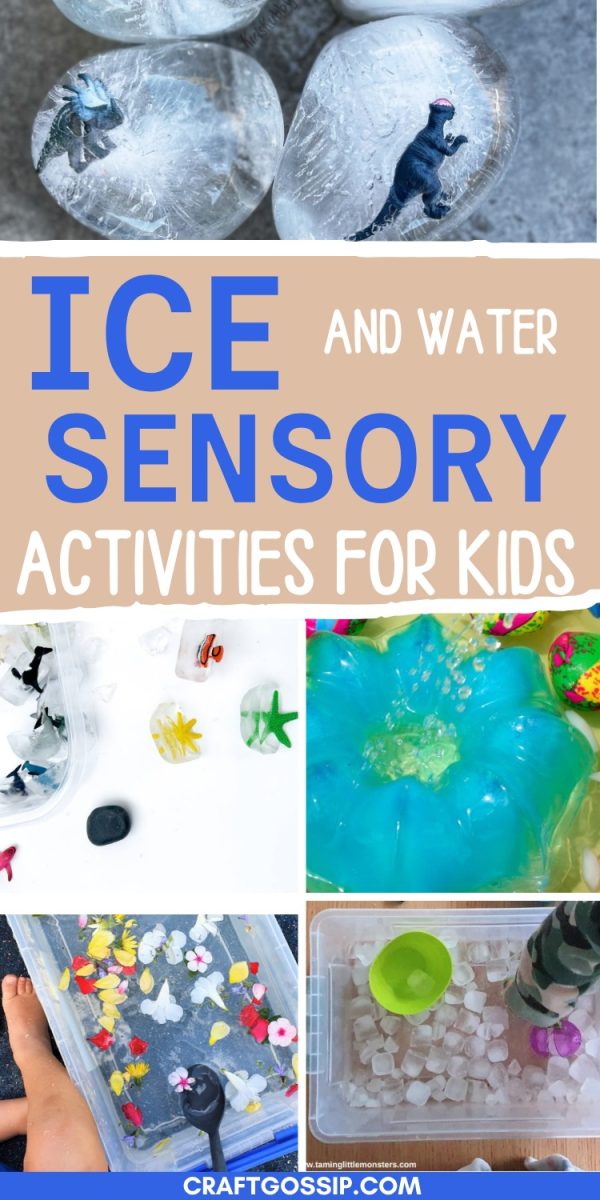
This frozen ocean sensory bin form Simple Everyday Mom uses water, water beads and ocean animals frozen in a balloon as the basis for the bin. She adds a fizzy element, which is also always fun, but you don’t have to. 

Speaking of freezing things in balloons, Kids Kubby used balloons filled with water to make frozen dinosaur eggs. These are fun on their own or in a sensory bin with trees, plants and more dinosaur stuff.  

Mommy Evolution has lots of good ideas for easy ways to make icy play for your kids. I love the idea of using a bunt pan to make a giant block of ice. 

The Mindful Toddler takes it on a smaller scale with toys frozen in ice cube trays. You could do some plain ones, some with toys inside, some with food coloring, etc. I did a fizzy frozen science activity for my daughter years ago that was with Jello powder, baking soda and plenty of glitter. I hid gems and little toys inside. 

You can keep it even simpler and just give your kids ice to play with along with some scoops or cups, like in this idea from Taming Little Monsters. And if you need more ideas for helping kids stay cool when it’s hot outside, Taming Little Monsters also has a great list of water themed sensory activities to do in the summer. Many of these involve ice or you could add ice to them (like the lemonade one or flower soup) but there are others that just use water to make the hot season more fun. 

20 Sensory Sand Crafts For Kids Who Are Tactile [Kids Crafts]

26 Sensory Calm Down Bottles To Make For Kids [Kids Crafts]
Calming Sensory Lavender Slime [Kids Crafts]

Dinosaur Swap Sensory Play for a Bit of Summer Fun

«
»

Have you read?

Learning about The Gambia for Kids

The Gambia, officially the Republic of the Gambia, is a west African that is geographically the smallest country in continental Africa, with an area of 4,400 square miles, or 11,300 square kilometers. Let’s learn more about The Gambia!

The Gambia Basics

The Gambia is surrounded by Senegal on all sides except the western part, which is on the Atlantic Ocean. The nation is long and narrow and follows the shape of the Gambia River, which is basically in the center of the country. At its widest point it is 31 miles/50 km wide, and about 11.5 percent of the country is covered by water. 

The capital is an island, Banjul, and the largest metropolitan area is Serekunda. The population of the Gamiba is about 2.4 million people, but has been rapidly growing in recent history. 

Arab Muslim merchants traded with the people of west Africa beginning in the 9th century, but the Portuguese were the first Europeans to arrive there, in 1455. The British established a colony in 1765, and the Gambia gained independence in 1965. In the 1980s, Senegal and the Gambia were part of a loose confederation that meant to promote cooperation between the two countries but was dissolved because of disagreements in how to connect the two countries. 

As of this writing the Gambia has only had three presidents. The second took over in a bloodless coup and the third had to be removed after disputing election results. The country also has a national assembly.

The name Gambia comes from the name the Mandinka people gave to the Gambia River, and may also come from the name of a sacred drum played with a Serer elder dies. 

Many ethnic groups live in the country, with the highest populations being Mandinka and Fula. The Gambia is more than 95 percent Islamic. The official language is English but many other languages are recognized and used by people throughout the country. 

The Gambia is one of only two countries in which the article the is an official part of its short form name in English. (The other is the Bahamas.) 

The Gambia National Symbols

The Gambia’s flag has red, blue and green horizontal stripes, with the green band being narrower than the other two, and thinner white stripes between them. The flag was adopted in 1965. 

The national anthem “For the Gambia Our Homeland” was also adopted in 1965. The song was originally written in Mandinka and translated into English.


The Gambia’s motto is “Progress, Peace and Prosperity,” which is featured on the coat of arms. The coat of arms also includes two lions holding an axe and a hoe, next to a shield showing an axe and a hoe crossed. Above the shield is a helmet and an oil palm. The oil palm is used to make commercial palm oil. 

The spotted hyena is the national animal. 

The Gambia Learning Activities

Learn more about the spotted hyena, which is the second largest carnivore after lions. Though they look like dogs, they’re actually closer to cats biologically. Grab some hyena coloring pages from ReallyColor. 

Learn about the Gambia River, and check out a tour of the river from Gano Did It. 

Explore Kunta Kinteh Island and related sites, an island in the Gambia River that has numerous sites that speak to the history of European-African relations from the 15th to the 20th centuries. 

Take a look at the stone circles of Senegambia, a collection of more than 1,000 stone monuments spread across 12,000 square miles (or 30,000 km) across the Gambia and Senegal. 

Read about Gambian batik at My Gambia, and give it a try yourself with this glue-based batik activity from Artsy Karma. You can also learn more about traditional Gambian baskets. 

Grab Gambia fact sheets and worksheets from KidsKonnect, and get more ideas for a unit study from Adventures in a Messy Life. Check out study slides, word searches, puzzles and more activities at Teachers Pay Teachers. 

Domada, or peanut stew, is a common food that’s considered by some to be the national dish of the Gambia. Learn how to make it with this recipe from Honest Cooking & Travel.

Leave a Reply

Your email address will not be published. Required fields are marked *

Categories

Art Christmas Classroom Craft by Holiday Craft Inspirations DIY Tutorials and Patterns Elementary Games General Homeschool Kids Crafts Lesson Plan Activities & Ideas Math Nature PreSchool Printables Science Craft STEM & STEAM Toddler Tween

RSS More Articles

  • 8 FREE Camping Journal and Project Life Cards to Download
  • Resistance Quilts: When Patchwork Becomes Protest
  • Clay Studio Series – YouTube Video Review 4 Pottery Hacks You Should Know!
  • Italian Cast On Knitting: How To Get That Perfect Stretchy Ribbed Edge
  • 20 Christmas Crochet Trends for 2026 With Free Patterns
  • 15 Dachshund Crochet Patterns for Sausage Dog Lovers
  • How To Make Natural Toothpaste: Homemade Toothpaste Recipes To Try
  • Learning about The Gambia for Kids
  • Sewing Pattern Saturday: Comfort Blanket 2-in-1 Sewing Pattern Review
  • Amigurumi Oh Poo Crochet Free Pattern

Pick Your Blog

  • Sewing
  • Knitting
  • Quilting
  • Crochet
  • Home & Garden
  • Recycled Crafts
  • Scrapbooking
  • Card Making
  • Polymer Clay
  • Cross-Stitch
  • Edible Crafts
  • Felting
  • Glass Art
  • Indie Crafts
  • Kids Crafts
  • Jewelry Making
  • Lesson Plans
  • Needlework
  • Bath & Body
  • Party Ideas
  • Candle Making
  • DIY Weddings
  • Not Craft
  • Free Craft Projects

Copyright © 2026 · CraftGossip | Start Here | Contact Us | Link to Us | Your Editors | Privacy and affiliate policy