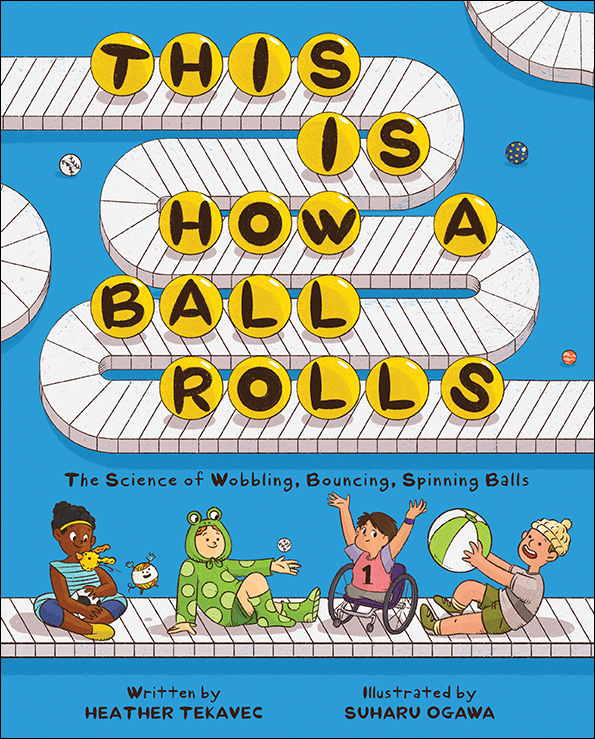
Make it a fun-filled ball-rolling and playing day when you read This is How a Ball Rolls by Heather Tekavec, illustrated by Suharu Ogawa.
This book talks about increasing larger balls, starting with marbles and moving on to juggling balls, … Read More ...
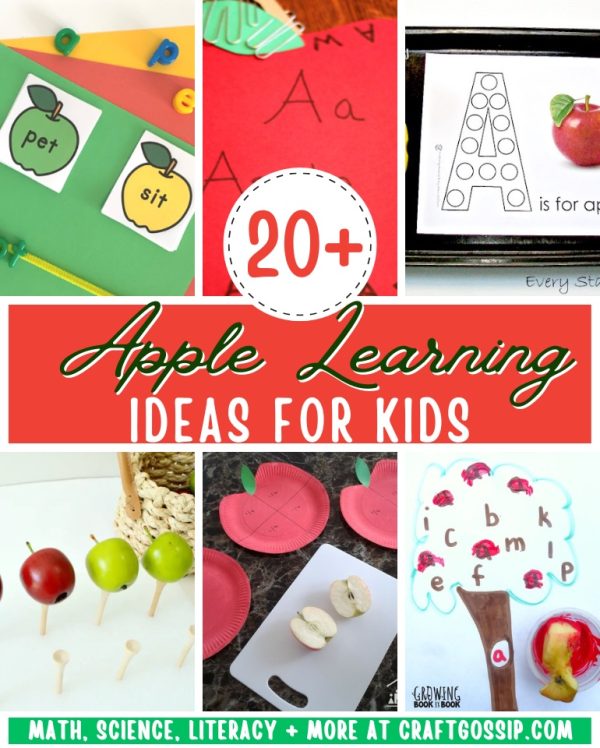
When apples are in season or at back to school time are great times to learn with apples. Whether you use real apples or just apple shapes, it adds a sweet dimension to your lessons.
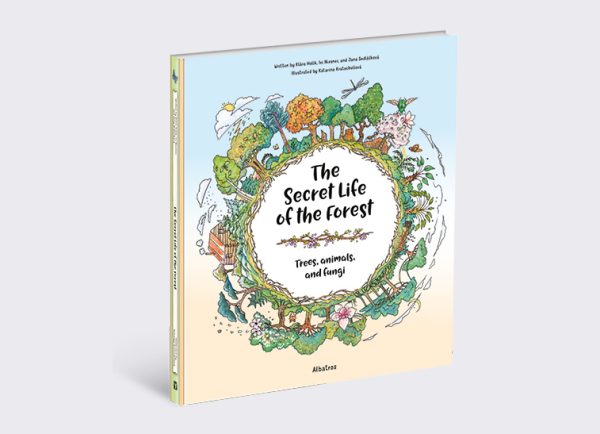
Trees are an essential part of nature, both for the oxygen they produce and the habitats they provide to animals. But if you don’t live near a forest you might not think about all that happens within them very much. …
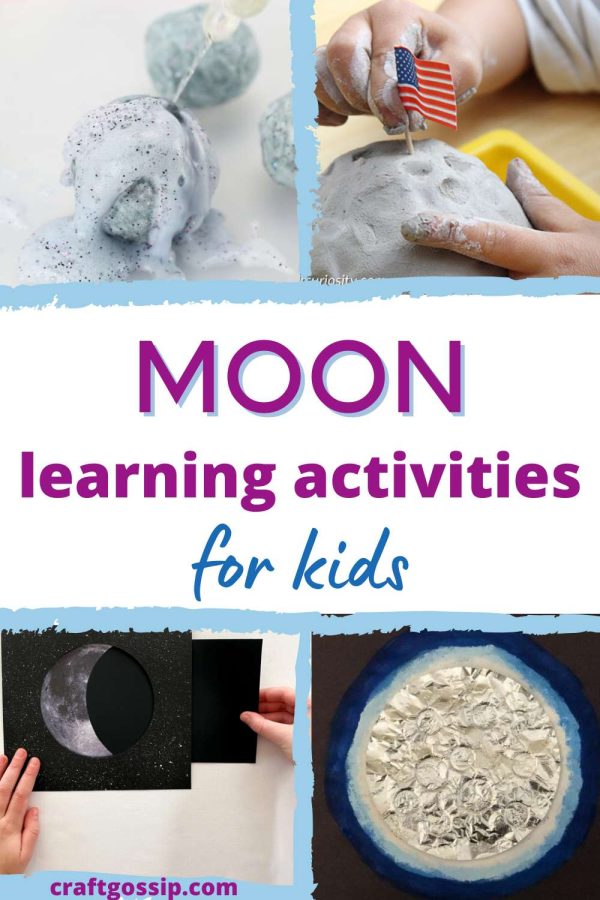
The moon is always a fun topic for kids because it’s around all the time but always changing and there are lots of educational and crafting activities available to learn about the moon.
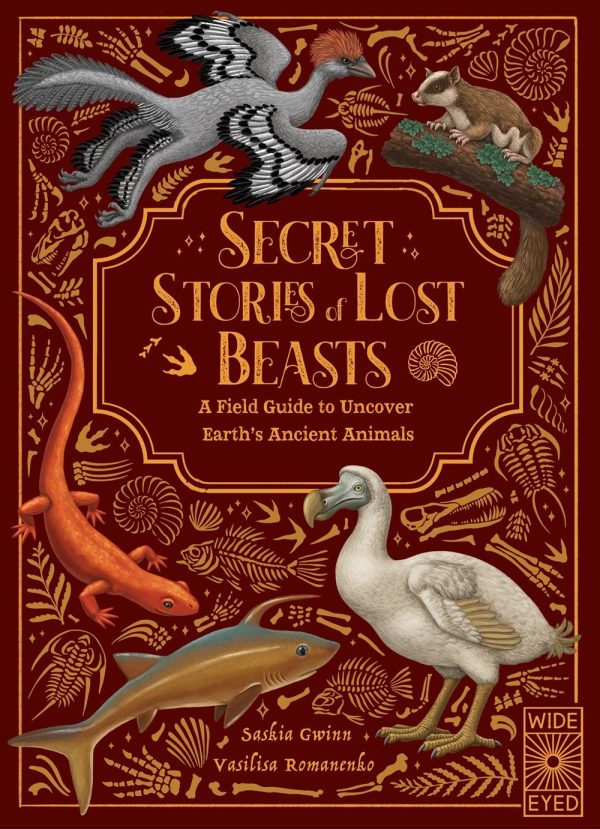
There are plenty of animals that used to exist on Earth that seem like they aren’t real, but they once were. Kids who love dinosaurs and other ancient creatures will enjoy 


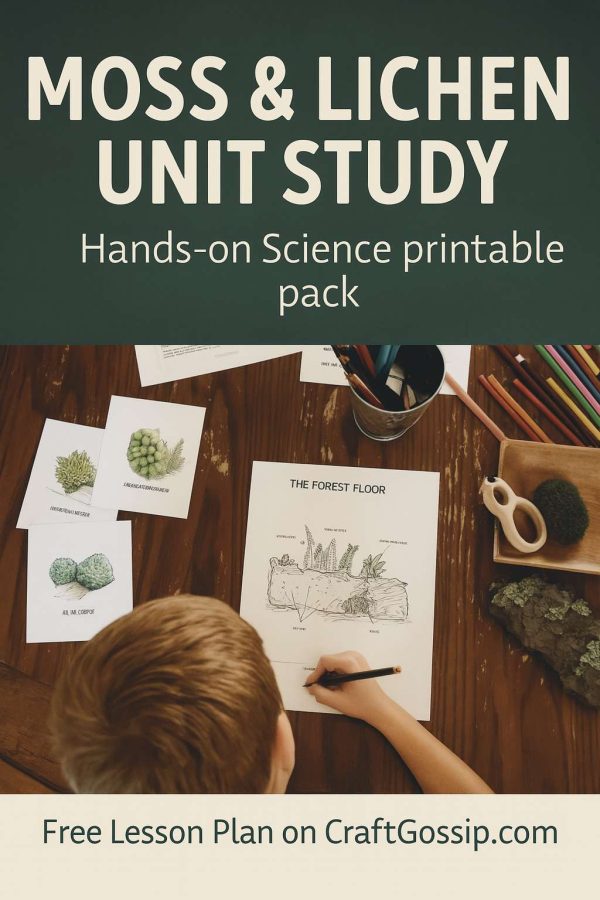
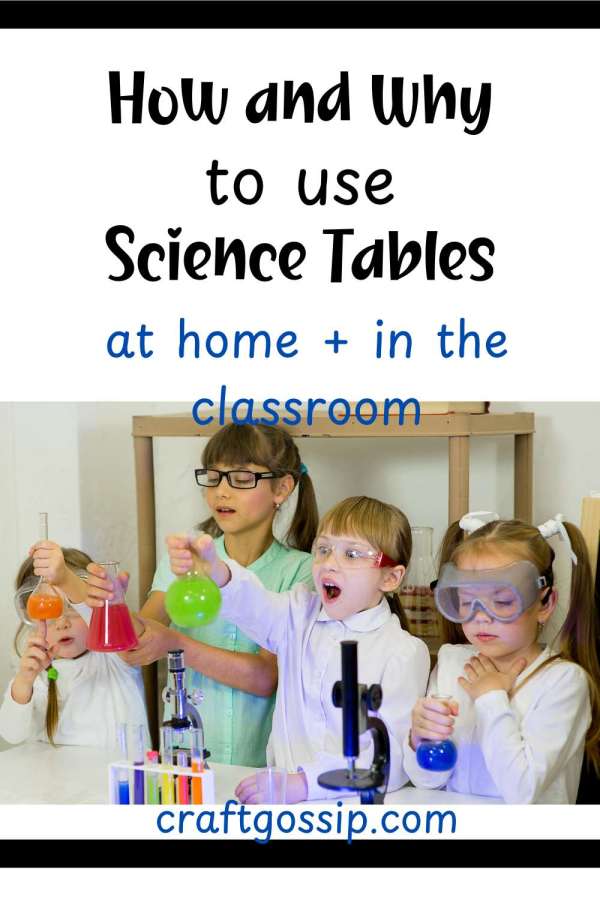
One of my favorite things in the little kid classrooms my daughter was in when she was younger (besides
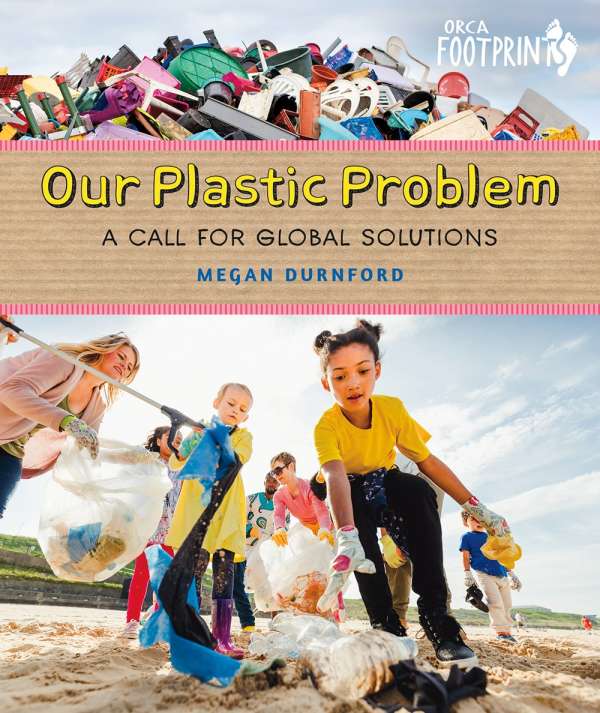
Plastic is great for a lot of things, from medical equipment to food storage and clothing, but the world has so much plastic (and all the plastic that has ever been made still exists on the planet) that our reliance …
I’ve shared a lot of ideas for
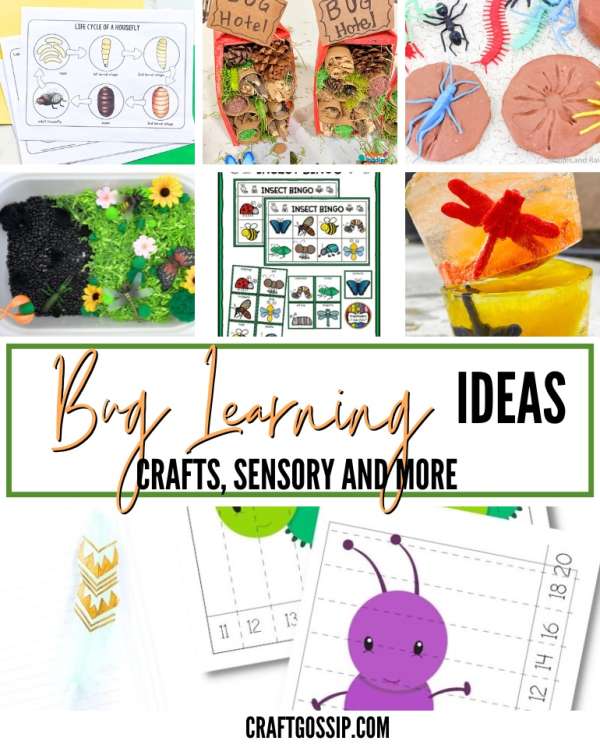
Spring seems like the perfect time for talking about bugs in the classroom or at home, but kids tend to love bugs all the time. Here are some educational ideas having to do with bugs as well as bug crafts …
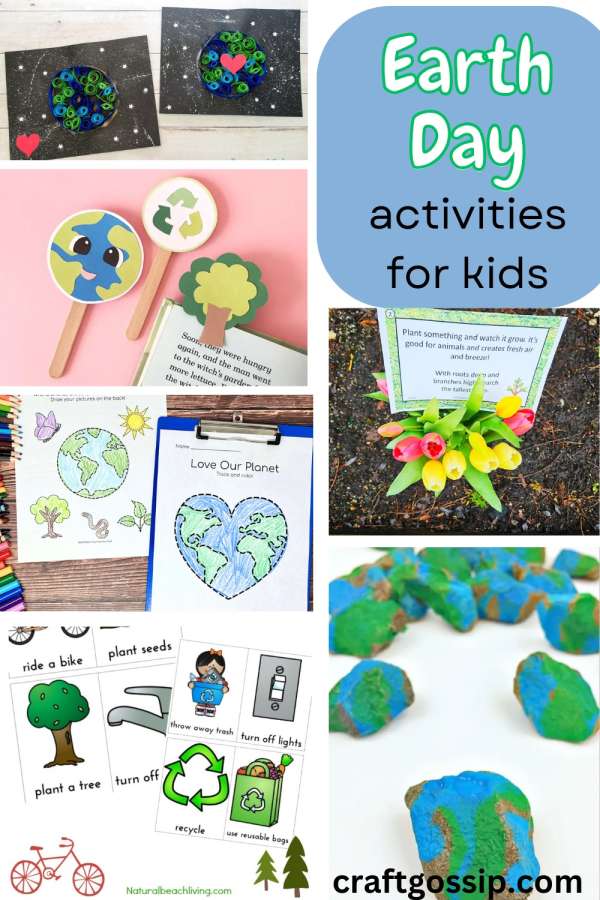
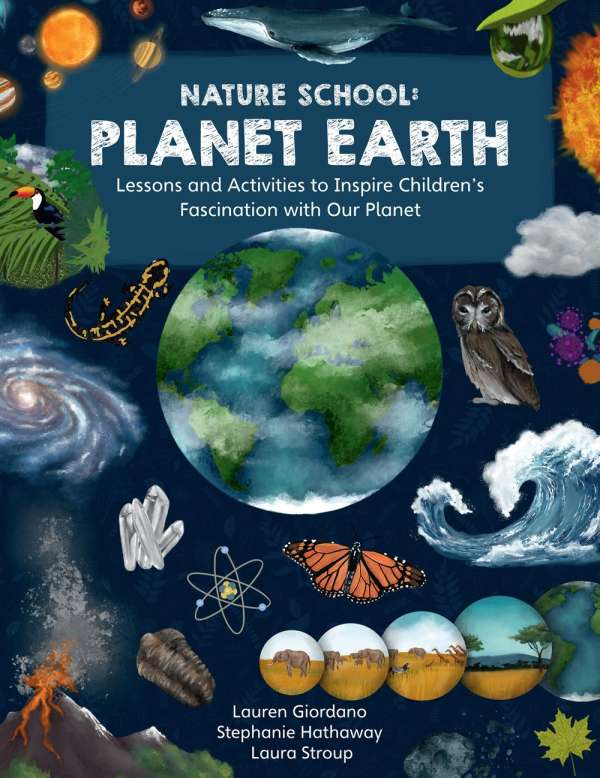
Learning about the Earth, its place in the universe, what its made of and the creatures that live on it are all a part of understanding our place in the world and why the planet needs protection.
Whenever the weather would get even a tiny bit warmer in the spring, my daughter and I used to start looking for signs of spring like buds on the trees, grass turning green, the first bugs and little wildflowers.
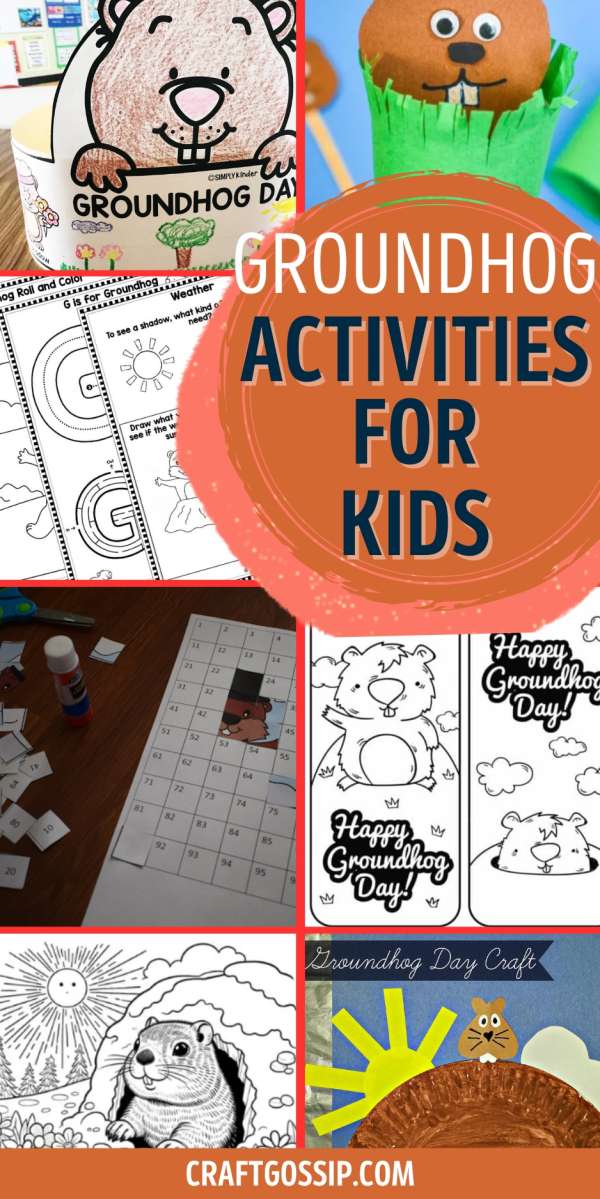
February 2 is Groundhog Day, the day when a famous groundhog in Pennsylvania “predicts” when spring is going to come based on whether its shadow can be seen that day.